
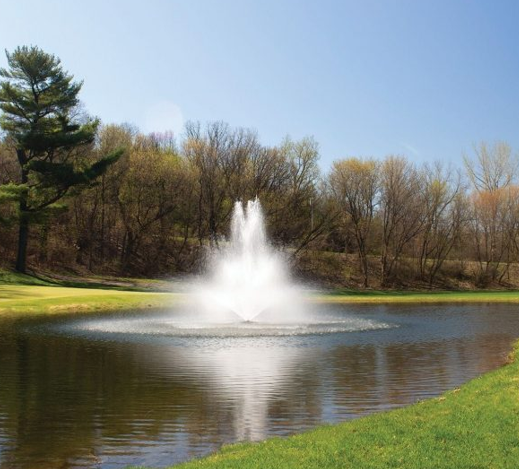
Decorative ponds and lakes are increasingly designed to deliver both visual beauty and real environmental value, yet many property owners assume still water can look after itself. It rarely does. Without steady movement, a pond drifts toward murk and odor long before anyone notices, which is where Kasco Fountains quietly change the outcome for the better.
The fix is not constant maintenance but constant motion, and this is exactly what the right floating system delivers. Kasco Fountains give property owners a single unit that circulates thousands of gallons, lifts oxygen into the water, and throws an elegant display across the surface, turning a neglected feature into a clean, lively centerpiece that holds its appeal through every season.
Still Water Quietly Works against a Pond’s Health
The Slow Decline of Water That Never Moves: Water that sits without circulation loses oxygen at the surface and traps waste at the bottom, feeding algae and sludge that dull both clarity and color. Across professionally managed grounds, maintenance crews repeatedly find that ponds left without movement collect debris and odor that take far more effort to reverse than to prevent.
Delay That Turns a Small Fix into a Big One: Delay allows a pond to divide into warm upper water and cold, airless lower water, a split known as thermal stratification that starves the depths of oxygen. Fish crowd the shallows, muck thickens on the floor, and each postponed season narrows the options from simple aeration toward costly dredging and full restoration.
Water in Constant Motion Changes What a Pond Can Be
Circulation That Cleans while It Impresses: Kasco Fountains pull water from below and push it through the air, where it absorbs oxygen before falling back as a shaped display. This single action lifts dissolved oxygen across the whole basin, discourages algae, and gives the surface a moving focal point, so the same equipment that protects pond health also elevates how the landscape looks.
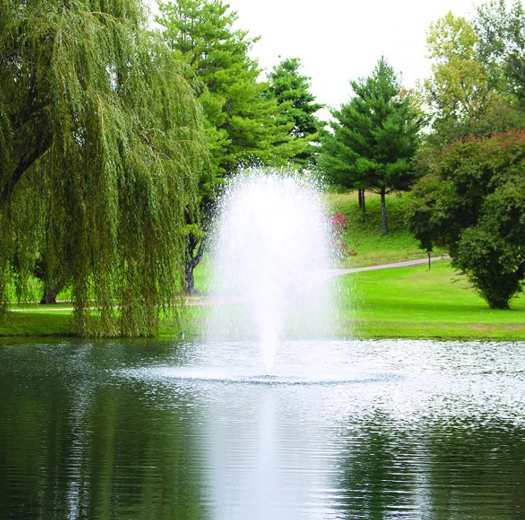
Displays Shaped for the Space and the Goal: Decorative models pair an impeller with easy-to-change nozzles to produce intricate patterns, while aerating models use a propeller and an open flow for maximum oxygen transfer. That range lets a homeowner favor a dramatic evening display or a manager prioritize water quality on a large commercial lake, without giving up the benefits of either.
Choosing between Aeration, Display, and Doing Nothing
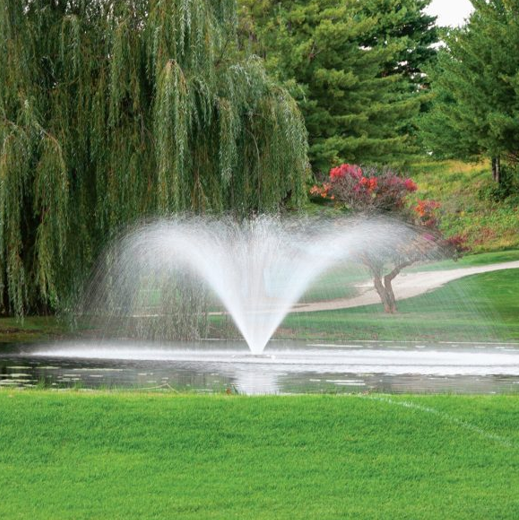
Why Engineered Systems Beat Passive Fixes: An aerating fountain moves more water and adds more oxygen than a decorative one, though it offers a single V-shaped pattern rather than varied displays. Both outperform passive measures like waiting for rain or manual cleaning, and both read on the books as a lasting capital expenditure rather than a repeating cost that never solves the root problem.
Matching the Model to the Water It Serves: Smaller ponds often do well with a compact decorative unit that beautifies without overwhelming the space, while deeper or nutrient-heavy water usually needs the stronger circulation of an aerating fountain. Horsepower, spray height, and pond depth all guide that choice, so the right pick depends on the water in front of you, not on the largest available model.
Protecting Landscape Value Season after Season
Equipment Built to Run for Years: A quality floating fountain is built to run continuously, with sealed motors, ETL-approved packages, and warranties that stretch across several years on larger units. Motors that can be repaired at the factory extend that working life well beyond the warranty, which means the water feature keeps performing long after the initial purchase has paid for itself.
Clean Water That Lifts Property Value: Healthy, moving water raises the value of the ground around it, keeping a pond an asset rather than a liability on residential lots and commercial sites alike. Consistent aeration also reduces the buildup that forces expensive dredging later, so steady circulation today quietly protects both the ecosystem and the money already invested in the landscape.
What to Weigh before Adding a Fountain System
Choosing well comes down to a few practical points, and weighing them early makes the difference between a fountain that merely looks nice and one that truly serves the water. Kasco Fountains cover a wide range of sizes and functions, so the details below help match the unit to the pond and the goal.
- Pond size and depth determine the horsepower and flow a fountain needs to keep the entire volume moving.
- Decorative units prioritize varied spray patterns, while aerating units prioritize oxygen transfer and deeper circulation.
- Voltage, phase, and timer settings affect running cost and how easily the system fits an existing power supply.
- GFCI-protected control panels and factory-repairable motors support safe, long-term operation with minimal disruption.
- Matching spray height to the surrounding space stops a display from looking undersized or spilling beyond the bank.
See also: Everyone Tells You to “Vet” a CJC-1295 Site. Wrong Advice. Vet the Chain Instead.
Bringing a Tired Pond Back to Life
A pond does not have to slide between neglect and expensive rescue. Steady circulation keeps the water oxygen-rich, the surface clear, and the whole feature pleasant to sit beside, turning routine upkeep into something closer to enjoyment. The benefit is not only a cleaner pond but a landscape that consistently looks cared for and complete.
Every stagnant season adds to the sludge, the odor, and the eventual cost of putting things right, while the fix stays straightforward. The practical next step is a short conversation about pond size, depth, and display goals, so the correct unit is matched from the start. Reach out to a fountain specialist to find the right Kasco Fountains for your water.
