
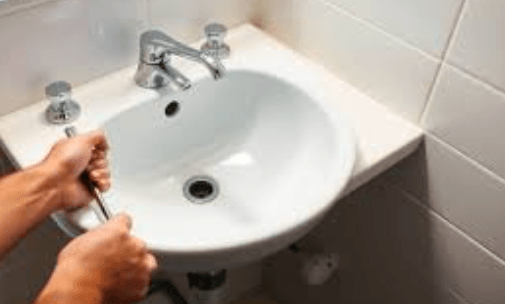
Regular bathroom plumbing benefits from proactive checks and practical habits. Inspect exposed pipes, valves, and seals for leaks, corrosion, or damp spots, and listen for running toilets. Practice smart drainage, use mesh strainers, and occasionally flush hot water to minimize buildup. Establish a simple maintenance rhythm: monthly leak checks, quarterly trap and vent inspections, and annual insulation reviews. Keep a log of findings and promptly replace worn seals or loose fittings. The approach sets a clear path forward, but the next steps reveal how to implement it effectively.
Inspect and Troubleshoot: Identify Common Bathroom Leaks
Inspecting a bathroom for leaks begins with a systematic check of visible fixtures, pipes, and connections to spot signs such as damp ceilings, staining, or mold.
The approach then identifies leak indicators, including dripping, running toilets, and mineral deposits.
Solutions focus on seal replacement, tightening connections, and reliable drain habits.
Preventive notes emphasize routine inspections and targeted maintenance over reactive fixes.
Prevent Clogs: Smart Drain Habits and Easy Fixes
Preventing clogs begins with deliberate habits and straightforward fixes that keep drains clear and flowing smoothly.
Smart drain practices include mindful disposal, preemptive straining, and regular cleaning rituals to remove buildup before it becomes a problem.
Practical steps: use mesh screens, run hot water briefly, and apply enzyme cleaners when needed.
Water saving tips reduce strain while maintaining effective drainage.
Maintain Valves, Traps, and Fixtures for Longevity
Maintaining the arrangement of valves, traps, and fixtures is a practical extension of ongoing clog prevention, focusing on longevity through proactive care. Regular inspection catches loose connections, corrosion, and leaks early. Implement leak detection methods, secure fittings, and replace worn seals. Schedule trap maintenance to prevent syphoning, odors, and blockages, ensuring smooth operation and reduced emergency repairs.
See also: The Rise of Digital Health Platforms
Create a Simple, Regular Maintenance Schedule
A simple, regular maintenance schedule provides a clear path to reliable bathroom plumbing and fewer emergency calls. The plan specifies monthly checks for leaks, quarterly inspections of traps and vents, and annual pipe insulation assessments. It emphasizes proactive leak detection, timely fixture reseating, and record-keeping. It empowers readers with practical tasks, clear reminders, and freedom from unexpected disruptions.*/
Conclusion
A quiet, steady routine drapes the bathroom like a well-worn coat. Pipes gleam softly in the light, a small, patient chorus of steady drip and hush. When inspections become habits, leaks retreat and clogs retreat back into the shadows. Each check—valves tight, traps clean, vents clear—stitches peace into the space. Maintenance becomes a practical craft: simple, repeatable steps that guard against emergencies, ensure safe water, and keep the room calm, reliable, and ready for daily use.
