
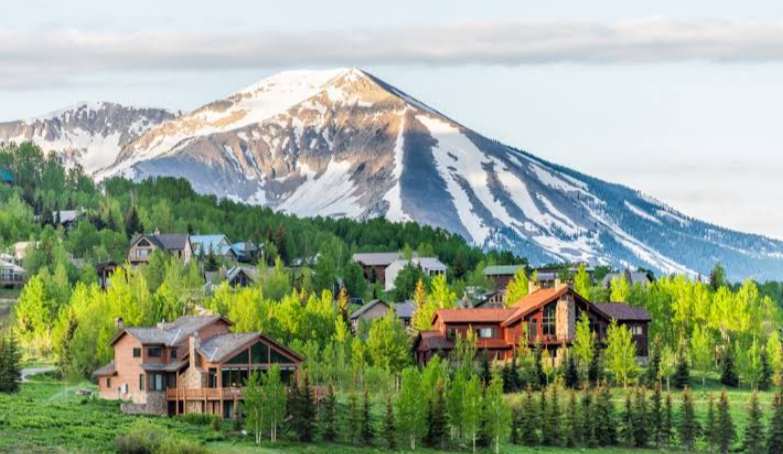
Moving to a small town sounds peaceful. There’s more space, less traffic, and a slower pace of life. The move itself, though, often turns out to be more complicated than people expect.
Rural and mountain relocations come with challenges that city moves rarely face. Gravel driveways, long distances between properties, unpredictable weather, and limited local services all shape how moving day goes. A little planning ahead can save you time, money, and a lot of stress.
This guide covers what to think about before relocating a household or a small business to a rural area, and how to avoid the most common mistakes.
Key Takeaways
- Rural and mountain moves often involve gravel roads, long driveways, and limited truck access, so confirm your property’s access before booking a mover.
- Seasonal weather can delay moving day, so build buffer time into your schedule, especially in winter and early spring.
- Small businesses should set up internet and utilities early and plan the move around their most essential equipment to limit downtime.
- Movers with local experience are better prepared for rural challenges, and an in-person or video estimate gives you a more accurate quote.
- Careful packing and short-term storage options can protect your belongings and cover gaps between move-out and move-in dates.
Why Rural Moves Are Different
In a city, most moves follow a predictable pattern. The truck parks on the street or in a loading zone, the crew carries items a short distance, and the drive to the new place takes less than an hour.
Rural moves don’t always work that way. A property might sit at the end of a half-mile dirt road. The driveway could be too narrow or steep for a full-size moving truck. The nearest hardware store might be 30 minutes away if you forget packing tape.
None of this makes a rural move impossible. It just means you can’t assume a standard setup, and you need to plan for your specific property.
Access Is the Biggest Variable
The single most important question for any rural move is this: can a moving truck reach the house? Many people don’t think about it until moving day, when a 26-foot truck gets stuck at the bottom of a hill.
Walk the route yourself before you book anything. Look for low-hanging branches, sharp turns, soft ground, cattle guards, and narrow bridges. Take photos and share them with your moving company so they can choose the right vehicle.
If a large truck can’t reach the door, movers may use a smaller shuttle vehicle to carry items between the main truck and the house. This adds time and cost, so it’s better to know in advance than to be surprised.
Distance Affects Everything
Properties in rural areas are often spread far apart. A “local” move might still involve a 45-minute drive each way. That affects labor hours, fuel costs, and how many trips the crew can make in one day.
Ask your mover how they calculate travel time. Some charge from the moment they leave their base, while others charge only from arrival. Understanding this upfront helps you compare quotes fairly.
Planning Around Weather and Seasons
Mountain and high-country towns can have dramatic seasonal changes. A road that’s easy to drive in August may be icy or muddy in March. Spring thaw can turn gravel driveways into soft ruts that trap heavy vehicles.
If you have flexibility, late spring through early fall is usually the easiest time to move in colder regions. Days are longer, roads are drier, and crews can work without fighting snow. That’s also peak moving season, though, so book early.
Winter moves are still very doable. They just need extra care:
- Build buffer days into your schedule in case a storm delays the truck.
- Clear and sand walkways and driveways before the crew arrives.
- Protect floors with mats or cardboard to catch snow and mud.
- Keep electronics, plants, and liquids out of freezing temperatures during transport.
Ask your moving company how they handle weather delays. A good mover will communicate early if conditions look risky and work with you on a new plan rather than leaving you in limbo.
Special Considerations for Small Businesses
Relocating a business to or within a rural area brings its own set of concerns. Downtime costs money, and customers in small towns notice when a local shop or office suddenly closes.
Plan for Minimal Downtime
Start by listing what your business absolutely needs to stay running. That might include phones, internet, a point-of-sale system, or refrigerated inventory. Move those items last from the old space and set them up first in the new one.
Many businesses choose to move over a weekend or during a slower season. Tell customers in advance through social media, signs on the door, and email so they know when and where you’re reopening.
Check Utilities and Internet Early
This step catches a lot of people off guard. Internet service in rural areas can be limited, and installation may take weeks. Contact providers as soon as you sign a lease or purchase agreement.
The same goes for electricity, water, propane, and waste pickup. Some rural properties rely on wells, septic systems, or propane tanks that need inspections or deliveries before you can move in.
Label and Inventory Carefully
Business moves involve more than furniture. You may have files, equipment, inventory, and IT hardware that all need to arrive safely and in order.
Create a simple inventory spreadsheet. Label every box with its contents and the room or workstation it belongs in. Color-coded labels work well because crews can sort items quickly without reading every box.
Choosing the Right Moving Help
Not every moving company is comfortable with rural jobs. Some crews mostly handle apartment and suburban moves and may underestimate what a country property requires.
When you gather quotes, ask direct questions:
- Have you moved people to properties like mine before?
- What size truck will you use, and can it handle my driveway?
- How do you handle weather delays or rescheduling?
- Do you offer packing, storage, or furniture assembly if I need it?
- Are you licensed and insured?
Local knowledge makes a real difference. Movers who work in a specific region often know which roads wash out, which subdivisions have tight turns, and how long drives actually take. For example, a moving company helping homes and businesses in a rural area like Bayfield, Colorado, typically confirms truck access ahead of time because long driveways and unpaved roads are part of everyday work there.
Get an In-Person or Video Estimate
Phone quotes based on a rough description are often inaccurate. An in-person or video walkthrough lets the mover see your belongings, stairs, access points, and any bulky items.
This matters even more for specialty pieces like pianos, safes, hot tubs, or large workshop equipment. These items may need extra crew members or special tools, and your mover should know about them before moving day.
Packing Tips for Long or Rural Moves
Longer drives on rough roads mean more vibration and movement inside the truck. Items that would survive a short city hop might shift or break on a bumpy mountain road.
A few habits help protect your belongings:
- Use sturdy boxes, not grocery store boxes that have already been crushed once.
- Fill empty space inside boxes with paper or towels so items can’t slide.
- Wrap dishes individually and pack them on their edges, like records.
- Disassemble furniture where possible and keep hardware in labeled bags.
- Keep heavy items in small boxes so they’re easier to carry across uneven ground.
If packing feels overwhelming, many movers offer full or partial packing services. Some people pack their everyday items themselves and leave fragile or awkward things to the professionals. That mix often saves money while reducing risk.
When Move-Out and Move-In Dates Don’t Line Up
Timing gaps are common with rural moves. You might sell your old home before the new one is ready. A construction project might run late. A business lease might start a few weeks after the old one ends.
Short-term storage fills that gap. Ask whether your mover offers storage, and whether items stay on the truck, move into a warehouse, or go into a portable container. Each option has different costs and access rules.
Make sure you understand how long you can store items, how to retrieve them, and whether the storage space is climate-controlled. That last point matters for furniture, electronics, and documents, especially in areas with big temperature swings.
Settling Into Small-Town Life
Once the boxes are inside, the real adjustment begins. Rural living often means planning errands more carefully, keeping extra supplies on hand, and getting to know your neighbors.
For businesses, becoming part of the community helps a lot. Join the local chamber of commerce, attend town events, and introduce yourself to nearby business owners. In small towns, word of mouth still drives much of the local economy.
Give yourself time. It’s normal for the first few weeks to feel a bit disorganized while you figure out new routines.
Conclusion
Moving to a rural or mountain town takes more planning than a typical city move, but it doesn’t have to be stressful. Most problems on moving day come from simple assumptions, like expecting a truck to fit up any driveway or roads to stay clear no matter the season.
Start by checking access to your new property and sharing photos with your moving company so they can bring the right equipment. Leave room in your schedule for weather, and get internet and utilities set up well before you arrive. If you’re relocating a business, move your essentials last and set them up first so you can reopen quickly.
Take the time to ask movers about their experience with rural properties, and pack more carefully than you would for a short trip across town. If your dates don’t line up, short-term storage can take the pressure off. With a bit of preparation, the move becomes one more step toward enjoying the space and quiet that drew you to small-town life in the first place.
