
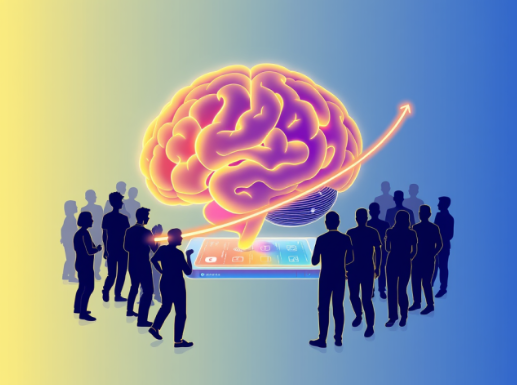
People rarely return to a digital platform by accident. They come back because the experience feels familiar, useful, or rewarding. Whether they read articles, watch videos, join discussions, or use productivity tools, the decision to return usually begins with a positive previous experience.
Digital engagement grows through repeated interaction. A platform that loads quickly, presents information clearly, and responds predictably removes unnecessary effort. Users spend less time figuring out how to navigate and more time achieving their goals.
Familiarity also plays an important role. The brain naturally prefers environments it already understands. Once users learn where to find information and how different features work, each future visit becomes easier. Like walking through a neighborhood they know well, they move confidently because the path is already familiar.
Trust develops in a similar way. Consistent performance, reliable content, and thoughtful design encourage users to return because they know what to expect. Small positive experiences accumulate over time, gradually strengthening the relationship between the user and the platform.
As digital services continue to compete for attention, long-term engagement depends less on attracting first-time visitors and more on creating experiences that people willingly choose to revisit.
Familiar Experiences Encourage People To Return
Ease Of Use Reduces Friction
People are more likely to revisit a platform when every interaction feels straightforward.
Clear navigation, consistent layouts, and responsive performance reduce the effort required to complete a task. Users quickly learn where to find information, making each visit smoother than the last. Like returning to a familiar library, they know exactly where to look without wasting time.
This sense of efficiency encourages repeat visits because the platform becomes part of an established routine.
Consistency Builds Confidence
Digital engagement grows through predictable experiences.
When content appears in a logical structure and features behave consistently, users develop confidence in the platform. They no longer need to relearn the interface with every visit. Instead, they can focus on the information or service that brought them there.
Readers interested in exploring another example of a platform that organizes specialized content through a structured digital experience can visit desi app login. Although it focuses on a different subject, it demonstrates how clear organization and intuitive navigation help users locate information efficiently.
Value Keeps The Relationship Growing
A first visit may be driven by curiosity, but continued engagement depends on value.
Useful information, timely updates, thoughtful recommendations, and reliable performance create reasons to return. Each positive interaction reinforces the expectation that future visits will also be worthwhile.
Over time, these repeated experiences transform occasional visitors into regular users. The platform becomes familiar, dependable, and easy to incorporate into everyday digital habits.
Trust And Personal Relevance Sustain Long-Term Engagement
Personalization Makes Each Visit More Useful
People appreciate platforms that adapt to their interests.
Relevant recommendations, saved preferences, and personalized content reduce the time spent searching. Instead of starting from the beginning with every visit, users continue where they left off. This creates a smoother experience and makes the platform feel more responsive to individual needs.
Personalization works best when it supports the user rather than overwhelming them. Small, meaningful improvements often have a greater impact than countless unnecessary features.
Community Encourages Regular Participation
Many digital platforms grow because people return not only for content but also for other users.
Discussions, comments, shared knowledge, and collaborative activities create a sense of participation. Over time, familiar names and recurring conversations encourage people to return because they feel connected to an active community rather than a static website.
Readers interested in exploring another example of a platform that presents specialized content through a structured digital experience can visit relevant source. Although the subject is different, it illustrates how organized information and intuitive navigation help users engage with content efficiently and confidently.
Positive Habits Develop Through Consistent Quality
Long-term engagement is rarely the result of a single impressive feature.
It grows through many reliable experiences. Fast performance, accurate information, intuitive navigation, and consistent updates gradually establish trust. Each successful interaction reinforces the expectation that the next visit will be equally worthwhile.
As these positive experiences accumulate, returning becomes a natural choice rather than a conscious decision. Platforms that consistently respect users’ time, attention, and expectations are the ones most likely to become lasting parts of everyday digital life.
Lasting Digital Engagement Is Built On Trust, Value, And Consistency
Digital engagement is not created by a single feature or clever design choice. It develops through many positive experiences that encourage users to return. A platform earns loyalty when it consistently provides useful information, intuitive navigation, and a dependable experience that respects users’ time and attention.
Familiarity plays a central role in this process. As people learn how a platform works, each visit requires less effort. They know where to find information, understand how different features behave, and develop confidence in the overall experience. This growing familiarity makes returning feel natural rather than deliberate.
Trust strengthens that relationship even further. Reliable performance, clear organization, and meaningful content create expectations that future visits will be equally valuable. Readers interested in exploring another example of a platform that presents specialized content through a structured digital experience can visit relevant source. Although it focuses on a different subject, it illustrates how thoughtful organization and accessible navigation help users engage with information more effectively.
Ultimately, the psychology of digital engagement shows that people return because a platform consistently meets their needs. While first impressions attract attention, long-term relationships are built through quality, reliability, and relevance. Platforms that combine clear design, useful content, and dependable performance create experiences that users willingly revisit, turning occasional visits into lasting habits based on trust rather than convenience alone.
