
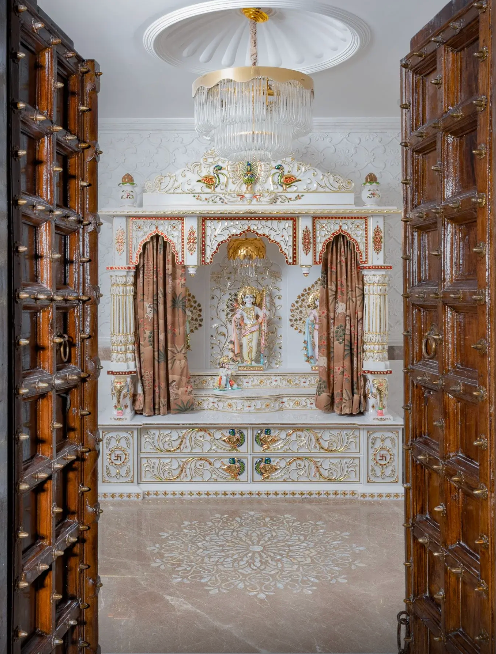
A home temple is much more than a decorative feature. For many families, it is a dedicated space for prayer, reflection and daily spiritual practices. While modern homes continue to evolve in terms of architecture and interior design, the importance of creating a peaceful place for worship remains unchanged. The challenge today is finding ways to incorporate traditional elements into contemporary living spaces without disrupting the overall design of the home.
This is one reason why a white marble temple continues to be a popular choice. White marble has a timeless appearance that complements both classic and modern interiors. Combined with thoughtful design and skilled craftsmanship, it allows homeowners to create a sacred space that respects tradition while fitting naturally into today’s homes.
The Timeless Appeal of White Marble
White marble has been used in temples and architectural structures for centuries. Its natural beauty, elegant appearance and ability to showcase intricate carvings have made it a preferred material for religious and decorative applications alike.
Unlike materials that may follow changing design trends, white marble has a classic quality that remains attractive over time. Its clean surface and subtle natural patterns create a calm atmosphere that suits the purpose of a pooja space.
This timeless character allows a white marble temple to remain visually appealing even as the surrounding interior design evolves over the years.
See also: The Psychology Of Digital Engagement: Why People Return To Certain Platforms
A Home Temple That Fits Modern Lifestyles
Modern homes are designed differently from traditional houses. Apartments, villas and contemporary residences often have open layouts, multifunctional rooms and limited space for dedicated prayer areas.
Rather than requiring a separate room, a white marble temple can be designed to suit the available space while maintaining its spiritual significance. Some homeowners prefer compact temples placed within the living room, while others create dedicated pooja rooms that become a central feature of the home.
The flexibility of custom design allows the temple to fit naturally within the home’s layout without compromising everyday functionality.
Blending Traditional Design With Contemporary Interiors
One of the strengths of custom marble temples is their ability to combine traditional architectural elements with modern interior design.
Features such as carved pillars, domes, arches and ornamental details reflect classical temple architecture, while clean proportions and carefully planned layouts allow the structure to complement contemporary homes. This thoughtful balance helps preserve traditional craftsmanship while creating a design that feels appropriate in modern living spaces.
Instead of appearing separate from the rest of the home, the temple becomes an integrated part of the interior while maintaining its distinct spiritual identity.
Custom Design Creates a Better Fit
Every home has unique dimensions, layouts and design preferences. A standard temple may not always suit these differences.
Custom-designed white marble temples allow homeowners to determine the size, proportions and decorative details according to the available space. Whether the temple is intended for a compact apartment or a spacious independent home, the design can be adapted to meet individual requirements.
This personalized approach ensures that the temple fits comfortably within its surroundings while providing sufficient space for daily worship and religious ceremonies.
Designing around the available space also creates a more balanced appearance throughout the home.
Planning Before Construction
A well-designed temple begins with careful planning.
Before carving starts, designers often prepare detailed layouts that take into account room dimensions, ceiling height, available floor area and overall interior style. Two-dimensional drawings and three-dimensional visualisations help homeowners understand how the completed temple will look within the intended space.
These planning stages allow design adjustments to be made before production begins. Small changes to proportions, shelving, decorative elements or overall dimensions can significantly improve the final result.
Careful planning helps create a temple that is both practical and visually harmonious.
Handcrafted Details Preserve Traditional Craftsmanship
Although modern technology assists the design process, skilled craftsmanship remains central to the creation of a white marble temple.
Experienced artisans carve decorative motifs, pillars, arches and ornamental details directly into natural marble. This level of craftsmanship gives each temple its unique character while preserving techniques that have been used for generations.
Hand-finishing also allows greater attention to symmetry and detail, ensuring that each component contributes to the overall appearance of the completed temple.
Traditional craftsmanship therefore continues to play an important role even within contemporary home designs.
Modular Construction Supports Modern Installation
Large marble structures can present installation challenges, particularly in apartments and multi-storey homes.
To address this, many white marble temples are produced using modular construction methods. Individual sections are carefully manufactured before being transported and assembled at the installation site.
This approach makes handling and installation more practical while maintaining the appearance of a single, continuous marble structure. Once assembled, the joints are designed to blend seamlessly with the rest of the temple.
Modular construction allows homeowners to enjoy detailed marble temples even where access may otherwise be difficult.
White Marble Complements Different Interior Styles
One reason white marble remains so versatile is its ability to work with many different design styles.
In minimalist homes, its clean appearance creates a simple yet elegant focal point. In more traditional interiors, intricate carvings and architectural details enhance the richness of the surrounding décor. Luxury homes often use white marble to complement natural stone flooring, wood finishes and carefully selected lighting.
Because white marble is neutral in colour, it integrates easily with changing interior trends. Homeowners can update furniture, paint colours or decorative accessories without needing to redesign the temple itself.
This adaptability contributes to the long-term appeal of white marble.
Durability Supports Long-Term Use
A home temple is often intended to remain part of the household for many years.
Natural marble is valued not only for its appearance but also for its durability. When properly maintained, it retains its beauty while continuing to support detailed carvings and polished finishes over time.
Routine cleaning using appropriate methods helps preserve the natural surface and maintain the temple’s appearance. Because marble is a long-lasting material, it continues to serve both practical and decorative purposes for generations.
Its durability makes it well suited to a space that is used regularly for daily worship.
A Space Designed Around Personal Preferences
Every family has its own traditions and daily worship practices.
Custom white marble temples allow homeowners to include features that reflect these preferences. Shelves for idols, storage for prayer essentials, carved back panels, decorative domes and traditional pillars can all be incorporated into the overall design.
Rather than following a fixed template, each temple can be planned to suit the family’s individual requirements while maintaining a balanced and harmonious appearance.
This flexibility allows the temple to become a meaningful part of everyday life as well as a carefully designed architectural feature.
Conclusion
A white marble temple represents a thoughtful combination of tradition, craftsmanship and modern design. While its purpose remains rooted in creating a dedicated space for prayer and reflection, today’s custom design processes allow it to integrate naturally into contemporary homes of every size.
Through careful planning, handcrafted detailing, modular construction and personalised layouts, white marble temples demonstrate how traditional architecture can coexist with modern interiors. Their timeless appearance, durability and adaptability make them suitable for a wide range of living spaces while preserving the cultural and spiritual significance that home temples have always represented.
As modern lifestyles continue to evolve, white marble temples remain a lasting example of how heritage and contemporary living can come together in a way that feels both practical and meaningful.
